
Morning Sickness: Remedies and Relief
What is morning sickness?
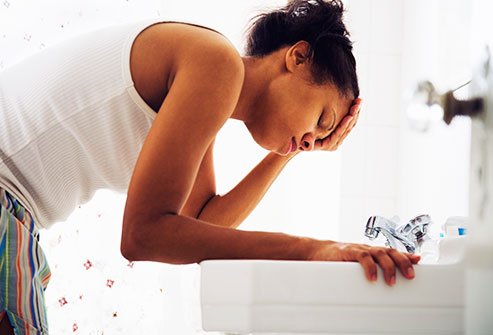
Morning sickness is the term used to refer to the symptoms that a pregnant woman may have during her 1st, 2nd, or 3rd trimester of pregnancy.
Common symptoms of morning sickness in early pregnancy that can occur at any time of day are;
What does morning sickness feel like? When does it start?
Morning sickness usually begins by the 9th week after conception. The nausea can occur any time of day, not just in the morning. It may be triggered or worsened by certain odors or foods, or there may be no specific triggers. Most women experience relief in their second trimester, but for some women, nausea and vomiting persists throughout the pregnancy.
What causes morning sickness?
Morning sickness is likely caused by the changes in hormone level that take place in a woman’s body in early pregnancy. It is more likely to occur if you have had morning sickness with;
- a previous pregnancy,
- multiple gestations like twins or triplets,
- if you tend to develop nausea from;
- migraines,
- birth control pills, or
- motion sickness.
7 lifestyle changes to relieve morning sickness
There are a number of ways to relieve morning sickness through lifestyle changes.
- Diet.
- Excercise.
- Yoga.
- Meditation.
- Stress management techniques.
Make sure that you are cleared by your OB/GYN before participating in any exercise program.
- Certain antihistamines are safe to use in pregnancy and have been shown to help relieve nausea and vomiting.
- Other medications to control nausea in severe cases.
11 natural home remedies to help nausea and vomiting from morning sickness
Natural or home remedies for morning sickness include;
- eating smaller portions more frequently throughout the day,
- avoiding foods that trigger or worsen the condition, and
- sipping ginger ale.
Avoid foods that produce;
- gas,
- greasy or fatty foods, and
- spicy foods.
Other tips for relief include;
- sucking on hard candies,
- nibbling crackers, or
- nibbling pretzels.
- Aromatherapy with the smell of citrus fruit or mint may produce some relief.
- Regular exercise may help control morning sickness symptoms, and other mild discomforts of early pregnancy.
What drinks and foods cause morning sickness?
The experience of morning sickness is different for every woman, so not all women will be triggered by the same foods. In general though, spicy, greasy, or fatty foods, as well as foods with strong aromas, are more likely to provoke morning sickness.
What drinks and food help relieve morning sickness symptoms?
As with foods that cause morning sickness, foods that provide relief vary among women. A food that helps one woman may worsen nausea in another. Ginger is one food that many women find helpful, so sipping ginger ale can often help relieve symptoms.
When does morning sickness end?
- Morning sickness ends for most women in the second trimester.
- When nausea and vomiting are severe and cause dehydration, a condition called hyperemesis gravidarum may be present.
- This is a more severe condition in which a woman runs the risk of becoming severely dehydrated or loses over 5% of her pre-pregnancy weight.
- Hyperemesis gravidarum may require hospitalization and may be treated with intravenous (IV) fluids and medications.
When should you call a doctor for morning sickness?
You should always call a doctor if the nausea and vomiting is so severe that you are becoming dehydrated. Signs of dehydration include becoming dizzy or faint when you stand up, passing a small amount of dark urine, and a racing heart. Call your healthcare provider if you cannot keep liquids down or if you are having any symptoms that concern you.