
Are Bananas Bad for Kidneys?
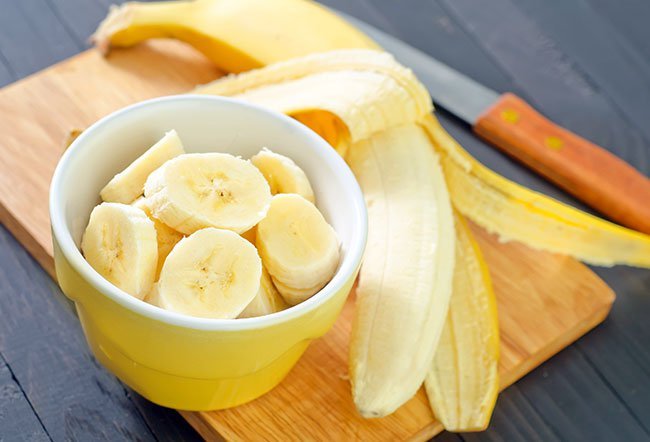
Bananas are not bad for the kidneys unless the kidneys are damaged. Damaged kidneys build up potassium in the blood, resulting in serious heart problems. Potassium is present in bananas, other fruits and vegetables (such as potatoes, avocados and melons). People with advanced kidney disease are usually advised to avoid some fruits and vegetables, including bananas. Apart from this, bananas are safe and healthy to eat.
Banana is an easily available, affordable and versatile fruit. It’s easy to consume and can be eaten on the go. Bananas can be consumed in different ways. A ripe banana can be eaten as is, dipped in peanut butter or apple sauce or made into a smoothie with other nuts and fruits. Several sweet and savory dishes can also be made using bananas. Bananas can be consumed at any age, right from six months of age.
Bananas are low in fat. A medium-sized banana contains about 105 calories, most of it comes from the carbohydrates in the fruit including the natural sugars. Bananas are a rich source of fiber and a good source of essential vitamins and minerals. Bananas have higher calories compared to some other fruits, such as berries. Therefore, bananas are considered bad for weight loss. A balanced diet is typically supposed to include three to five servings of fruit every day. Hence, bananas can be incorporated into a healthy diet, even if the goal is to lose weight. Bananas are highly nutritious, relatively filling and make a healthy snack or dessert. Consuming multiple bananas a day can prevent one from eating other foods. Thus, it may deprive one of getting other nutrients and proteins (bananas are low in proteins). If too many bananas are consumed, it can result in eating more calories than the body requires, resulting in unhealthy weight gain. Because bananas are highly nutritious, eating one to two bananas a day is ideal to incorporate as part of a healthy diet.
Potential health benefits of bananas
Health benefits include:- Bananas are highly nutritious: A medium-sized banana (around 100 grams) contains the following nutrients:
- Potassium: 12 percent of the recommended dietary intake (RDI).
- Vitamin B6: 20 percent of the RDI.