
Aprosexia
Definition and Clinical Features
Aprosexia is a neurobehavioral syndrome characterized by profound psychomotor inefficiency and an inability to sustain attention. Patients frequently complain of "easy forgetting," such as losing track of conversations as soon as they are finished, forgetting material they have just read, or failing to recall instructions immediately after they are given. A core feature is the extreme difficulty in keeping the mind focused on a specific task, which is quickly forgotten if the patient is abruptly distracted by another stimulus.
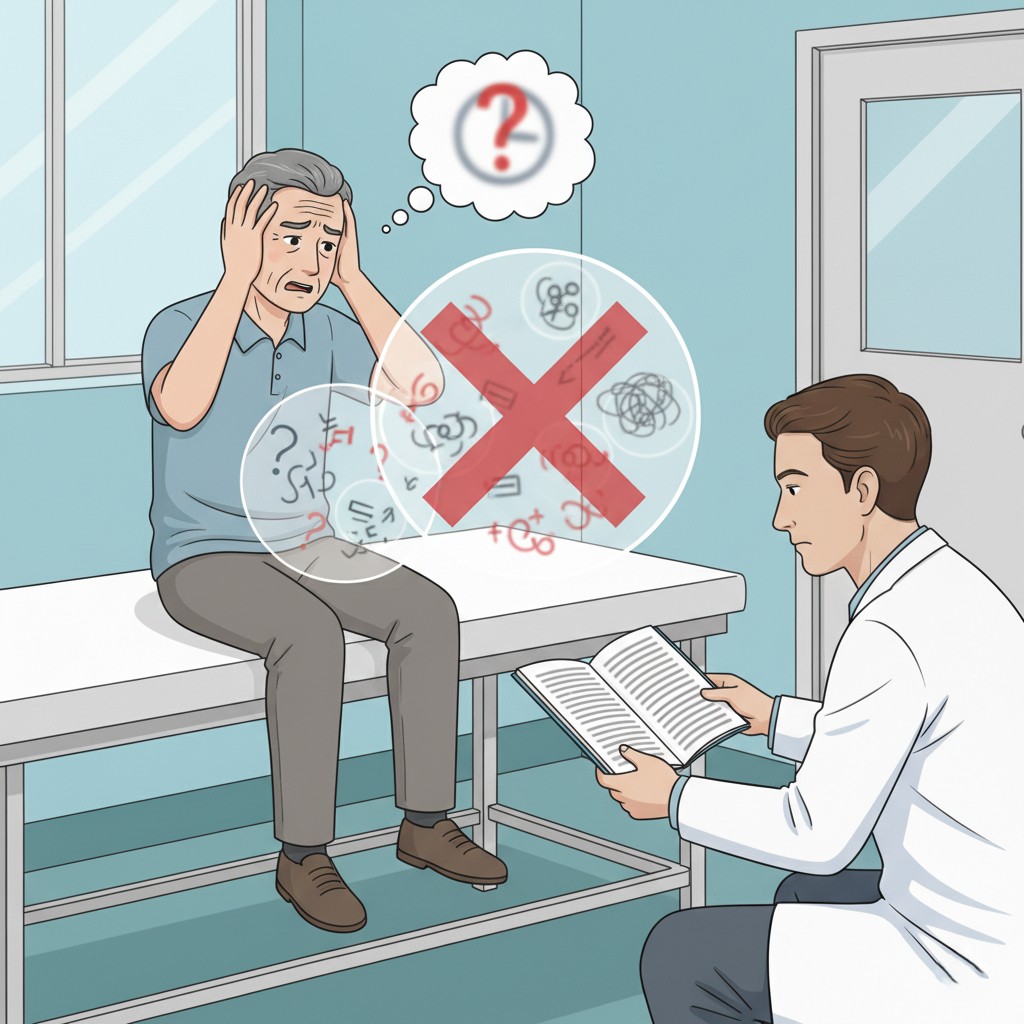
Aprosexia represents a profound disturbance of attention and concentration, often misperceived by the patient as a primary memory failure or early dementia.
Clinical Evaluation and Testing
Unlike patients with true neurodegenerative memory loss, individuals with aprosexia typically possess acute insight into their deficits and often complain bitterly about them. They are frequently encountered in memory clinics seeking reassurance for what they fear is early-onset Alzheimer's disease.
Notably, these patients generally achieve completely normal scores on formal psychometric tests of memory and cognition. They may even express frustration during the examination, complaining that these standardized assessments fail to capture the specific functional difficulties they experience in their highly distractible daily lives.
Pathophysiology and Associated Conditions
These symptoms primarily represent a severe disturbance of attention or concentration rather than a primary failure of memory encoding or retrieval. Therefore, aprosexia is rarely a harbinger of true dementia.
Instead, concurrent symptoms such as severe sleep disturbance, irritability, and low mood are highly common. These clinical features strongly suggest that the aprosexia reflects an underlying affective disorder, such as severe anxiety or depression (sometimes historically referred to in this context as "pseudodementia"). Proper identification is crucial because the cognitive symptoms typically resolve when the underlying psychiatric condition receives specific pharmacological or psychological treatment.
Cross References
Need Expert Advice on Your Condition?
Get a personalized video breakdown and treatment plan from our senior neurosurgeons using your MRI/CT scans.
👉 Request MRI Review