
Anwesenheit
Definition and Clinical Features
Anwesenheit (a German term meaning "presence") refers to the vivid, often unsettling sensation that another person or entity is nearby. The patient typically feels that someone is somewhere in the room with them or standing just behind them, just out of their line of sight. Also known as a "presence hallucination" or a "minor hallucination," this phenomenon occurs without any actual visual, auditory, or tactile confirmation of the person being there.
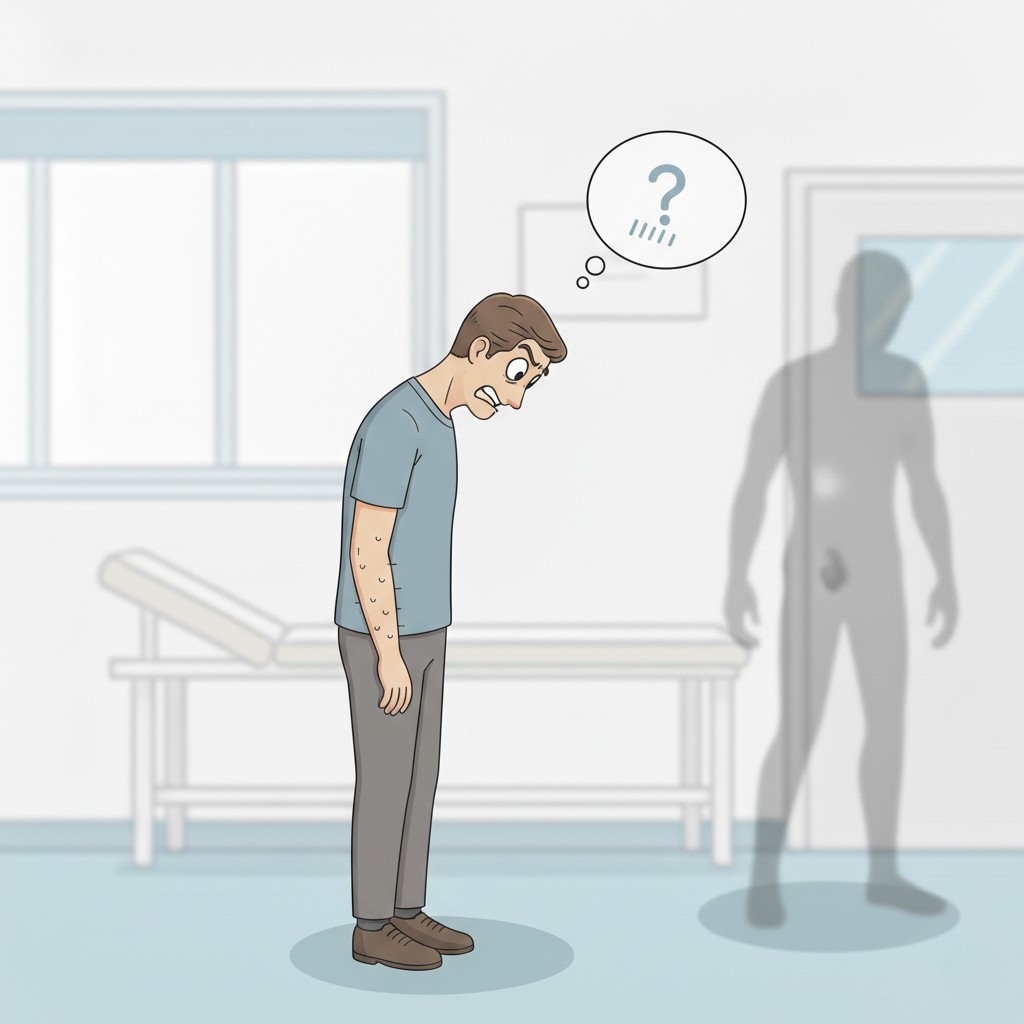
Anwesenheit, or a "presence hallucination," involves the strong, vivid sensation that another person is nearby, typically perceived as standing just out of the field of vision.
Clinical Context and Pathophysiology
Anwesenheit is relatively common in neurodegenerative disorders, most notably Parkinson’s disease and Dementia with Lewy Bodies (DLB). In these conditions, it is classified as a minor hallucination and frequently occurs during the early to middle stages of the disease.
This phenomenon can manifest in isolation, but it is often closely associated with or a precursor to fully formed visual hallucinations. These minor hallucinations are frequently exacerbated by dopaminergic medications used to treat parkinsonism, though they are also a consequence of the underlying disease pathology affecting sensory integration networks in the brain. Patients generally retain insight early on, understanding that the feeling is a trick of the mind, but this insight may eventually diminish as cognitive decline progresses.
References
Fénélon G, Mahieux F, Huon R, Ziegler M. Hallucinations in Parkinson’s disease: prevalence, phenomenology and risk factors. Brain 2000; 123: 733-745
Cross References
Need Expert Advice on Your Condition?
Get a personalized video breakdown and treatment plan from our senior neurosurgeons using your MRI/CT scans.
👉 Request MRI Review